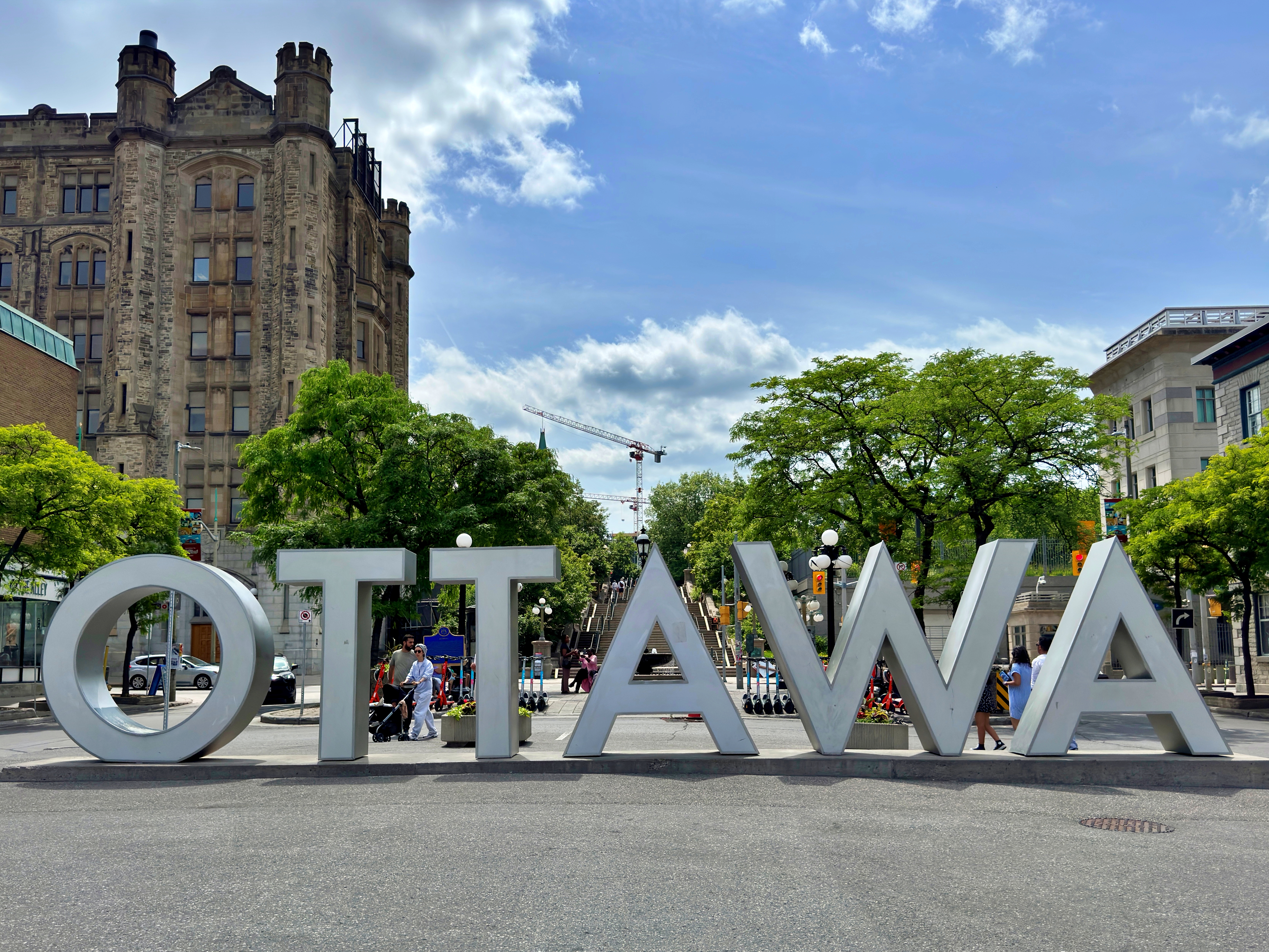
Ottawa offers an easy rhythm that feels immediately welcoming. For a national capital, it’s remarkably easy to get around. The city offers wide sidewalks, mostly smooth surfaces, and a compact layout that makes navigating public spaces simple, whether you use mobility aids or not.
As someone who relies on crutches, I found Ottawa both practical and engaging. It combines iconic landmarks with green spaces, river views, and a gentle pace that allows time to pause, explore, and take things in.
Over the course of three days, I explored Ottawa’s cultural core and took a scenic day trip south to the 1,000 Islands, each stop offering something quietly impressive and worth lingering for.
DAY 1: Food, Boats and City Views
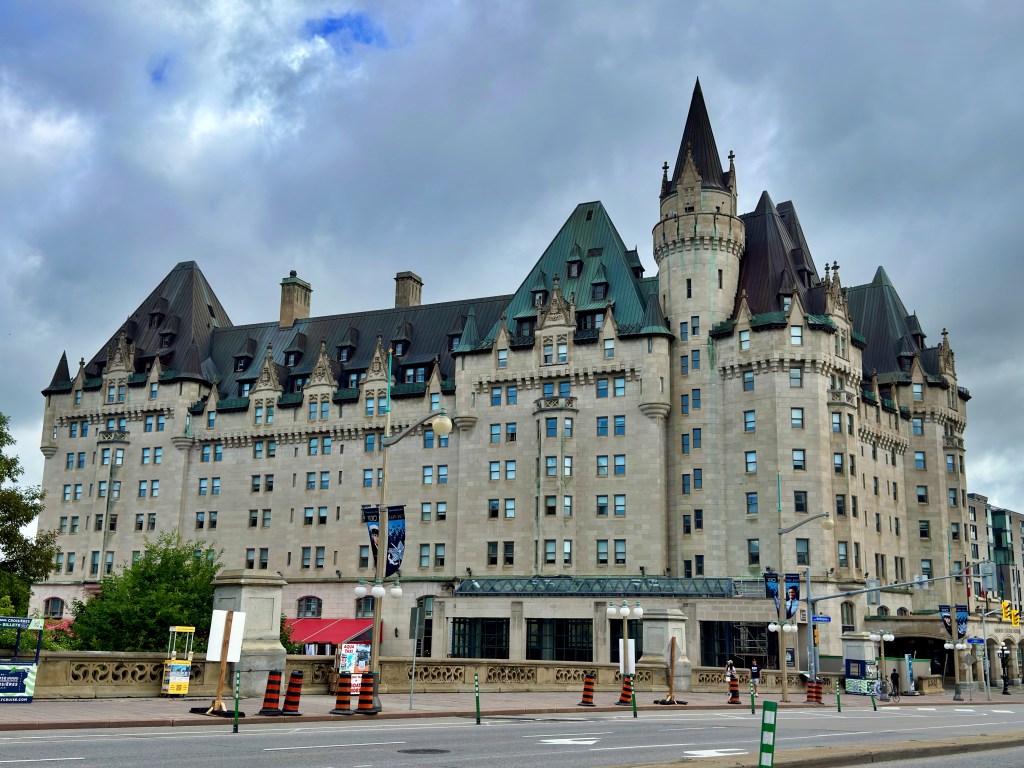
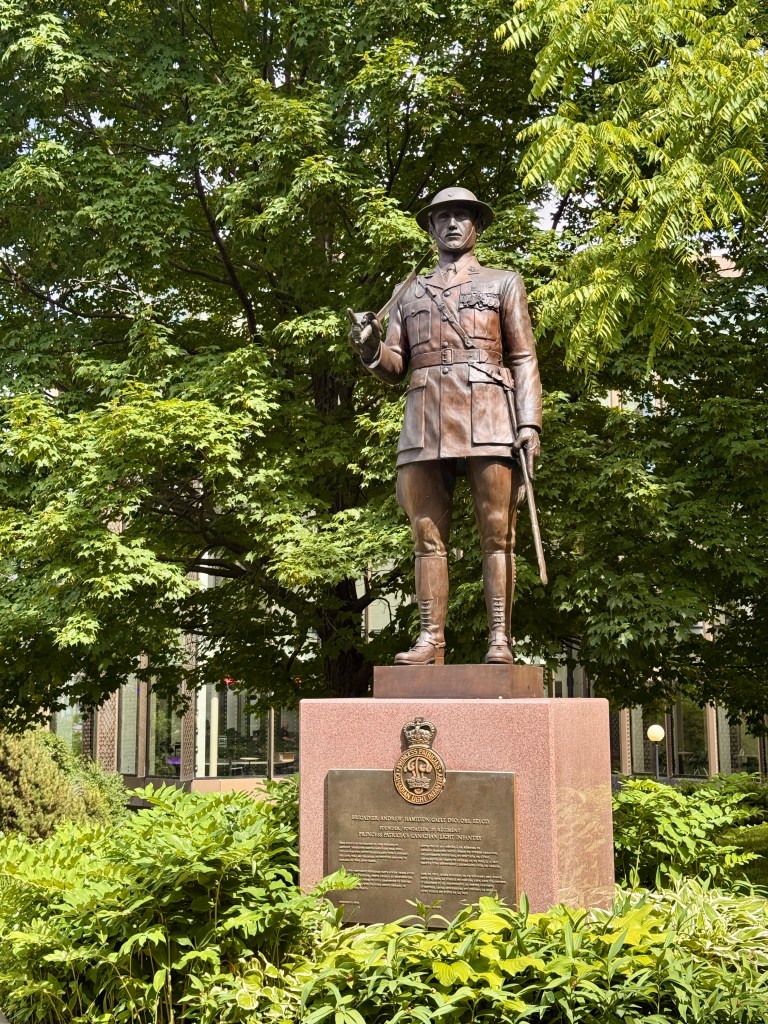
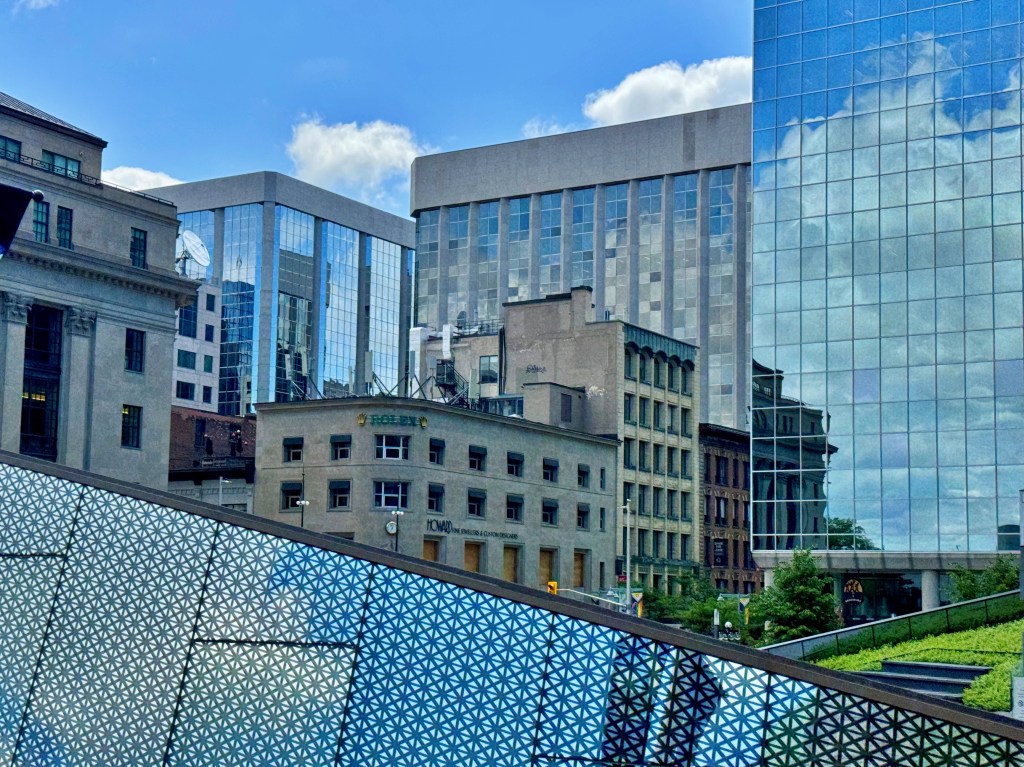
When arriving in a new city, I often start with the Hop-On Hop-Off sightseeing bus. It’s an energy-saving way to get oriented while enjoying a broad overview of the main highlights. The full loop takes around an hour, and even if you choose to stay on board, it’s a relaxing and informative way to get a feel for the city before diving in more deeply.
The first departure point is conveniently located 350 metres from Park World Exchange Plaza, which offers affordable, accessible, all-day parking in the centre of downtown. From there, it’s an easy connection to many of Ottawa’s key attractions.
The boarding area at Stop 1 is flat and even, with only a small gap to cross when entering the bus. Staff are present and helpful, and boarding assistance is available if needed. Inside, the layout is open with a wide central aisle, and priority seating is located near the entrance, along with dedicated wheelchair spaces fitted with secure locking brackets. While the upper deck is reached by a narrow winding staircase, the lower level offers excellent visibility through large panoramic windows, making it an equally rewarding choice.
The onboard commentary provides helpful background as you pass each site, linking Ottawa’s landmarks to its history and layout. Just metres from this stop is the Ottawa Visitor Center, which includes the only on-site public location with an accessible restroom.
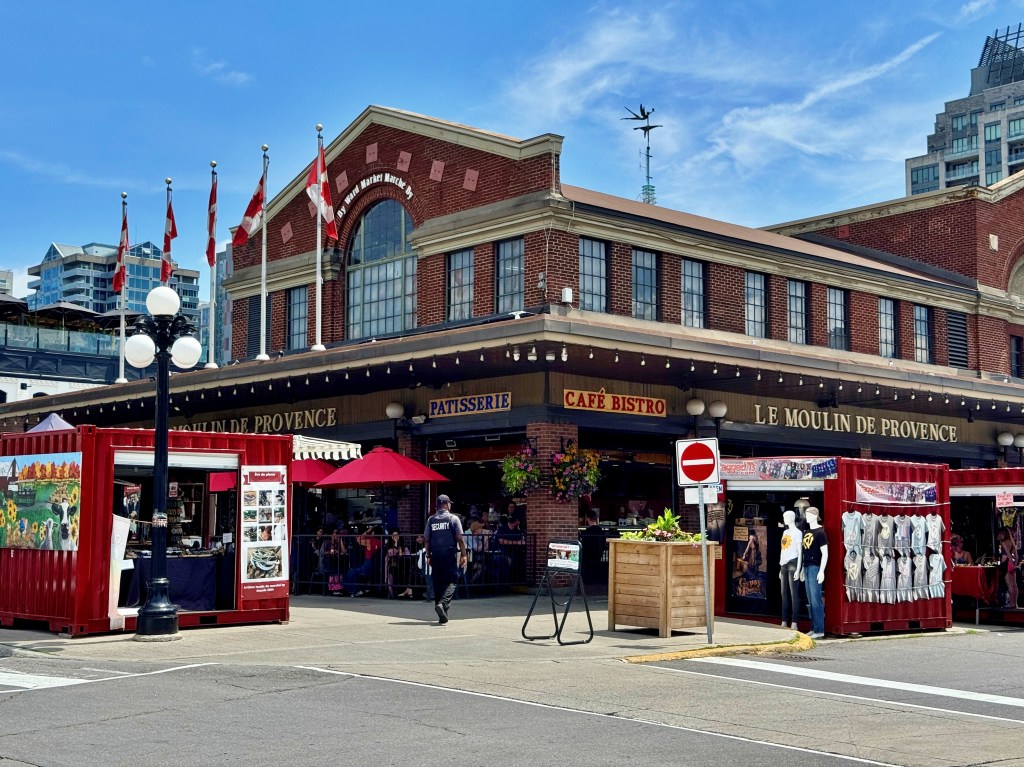
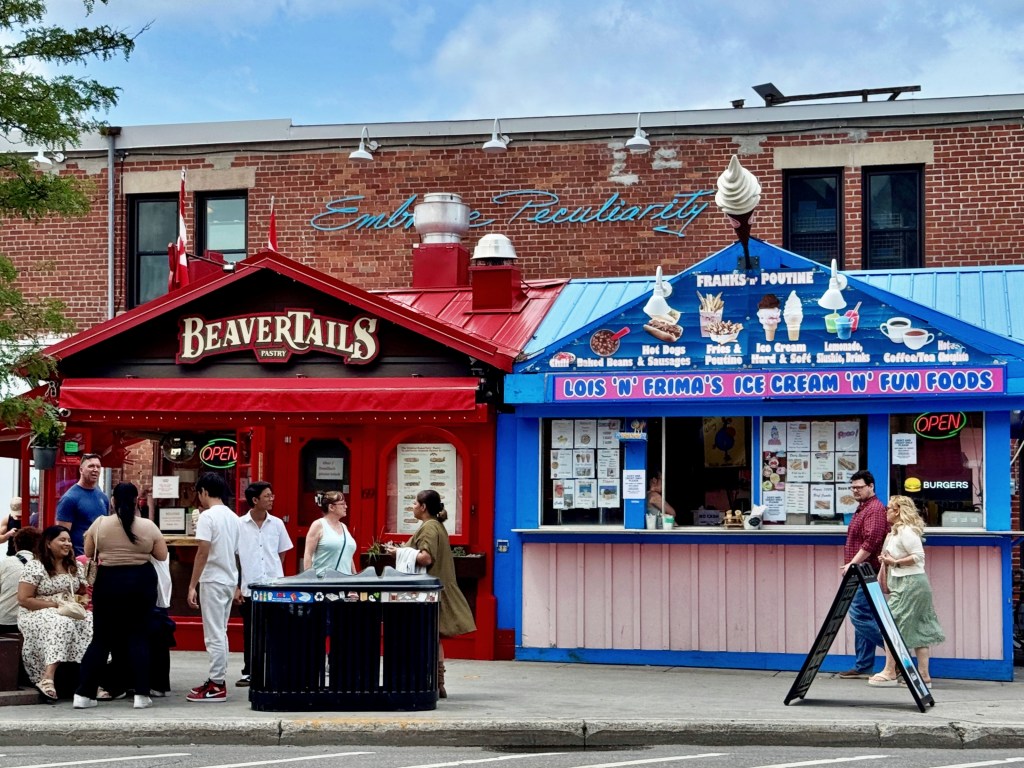
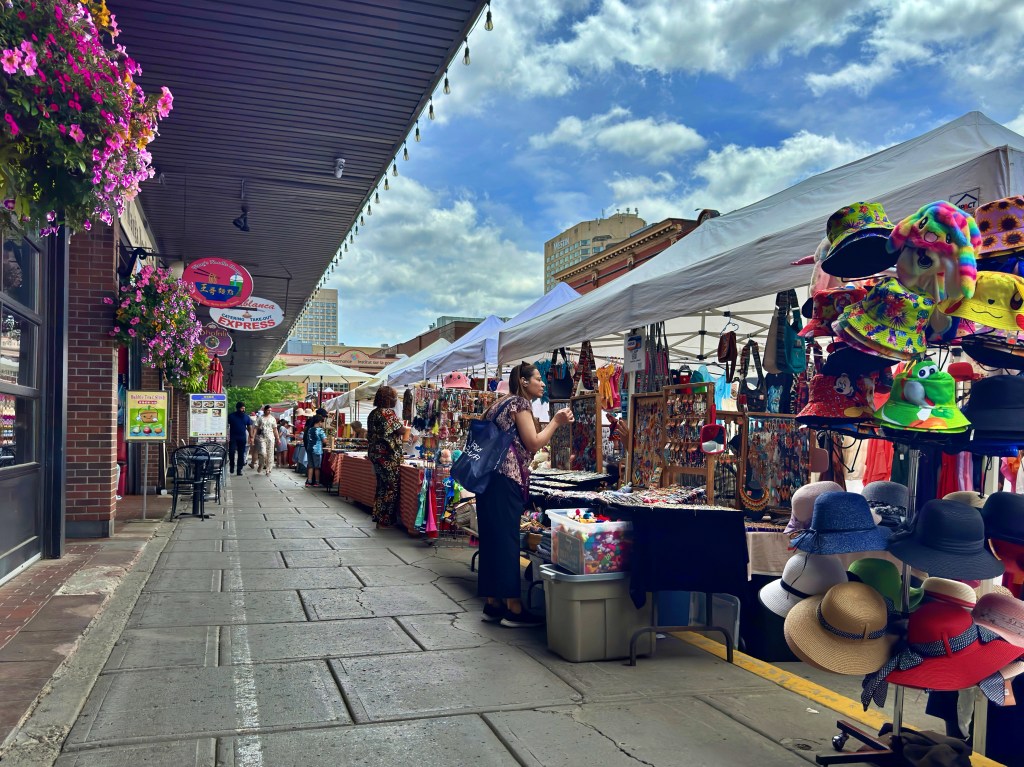
After completing a full loop, I stayed on the bus until I reached ByWard Market (Stop 6), one of Ottawa’s liveliest and most vibrant neighbourhoods. The market is a sensory mix of colour, movement, and layered aromas. You’ll pass stands selling souvenirs, stalls offering handmade goods, and bakeries where the scent of maple syrup drifts into the street. At Le Moulin de Provence, trays of the bakery’s famous maple cookies are stacked in the display cases. At the iconic BeaverTails stand, the smell of cinnamon sugar blends with fried dough and the rich aroma of coffee from nearby cafés.

I had timed my arrival with lunch and signed up for a self-guided food tour with C’est Bon Ottawa. I often prefer this type of experience to a group tour, as it allows me to set my own pace, choose how far I go, and pause for rest or extra time at any stop. The tour is structured through an app that highlights both food stops and nearby points of interest. Each stop comes with a short description, giving helpful context as you explore. The full route covers approximately 1.5 kilometres, but you can select the sections that interest you most. All the designated food stops are within 100 metres of each other, making the experience easy to tailor to your needs.
The market and surrounding area are compact and mostly flat. Surface conditions vary, shifting between smooth pavement and older cobblestones or stone slabs that may feel slightly uneven. Still, moving between stalls and shops is straightforward. The layout is open, and there is plenty of space to navigate, even during busier times. Many storefronts in the central zone have step-free entry, although a few heritage buildings still have one or two steps. Outdoor vendors are spaced along wide sidewalks with ample clearance, and it’s possible to explore the neighbourhood without encountering major barriers.
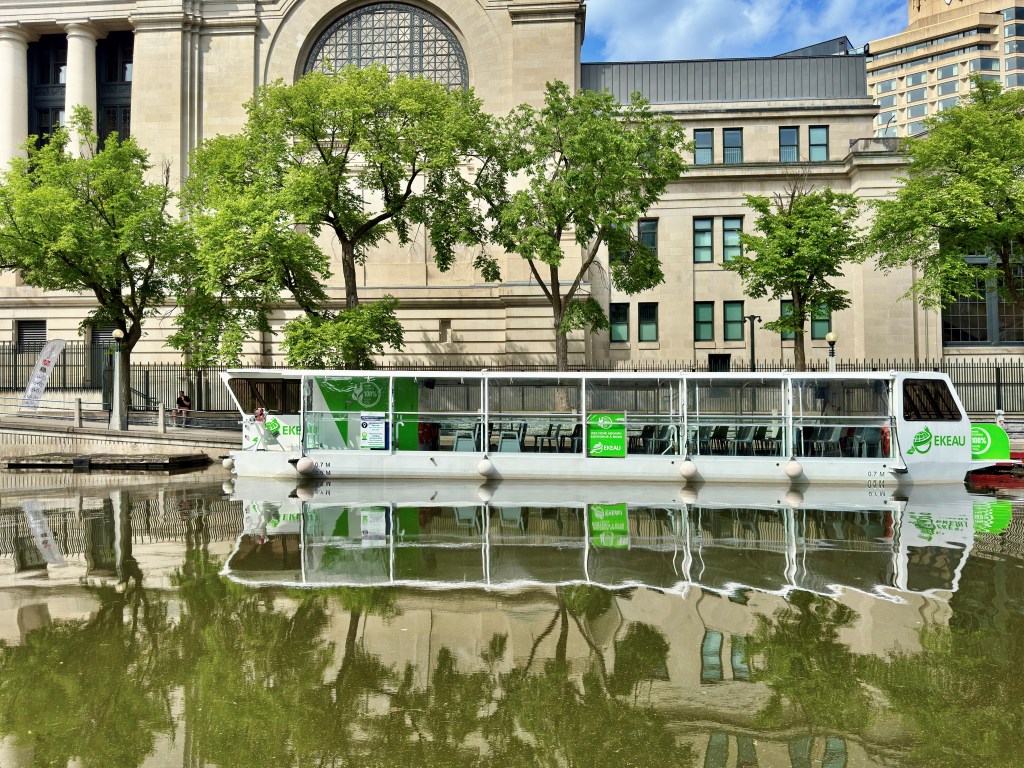
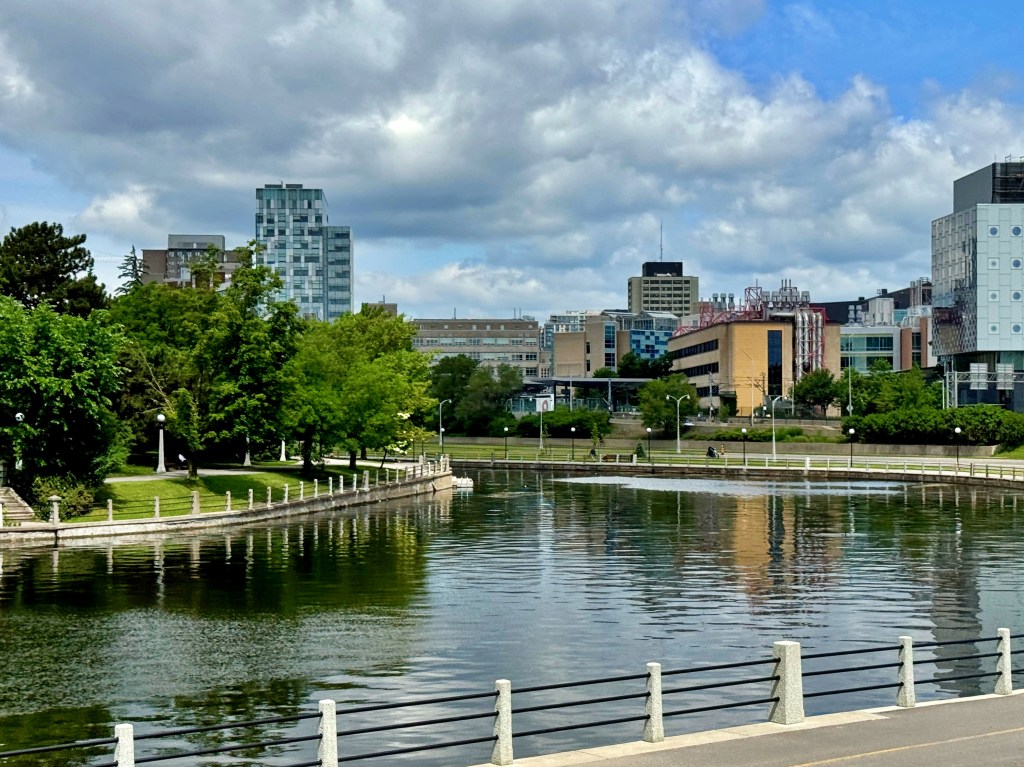
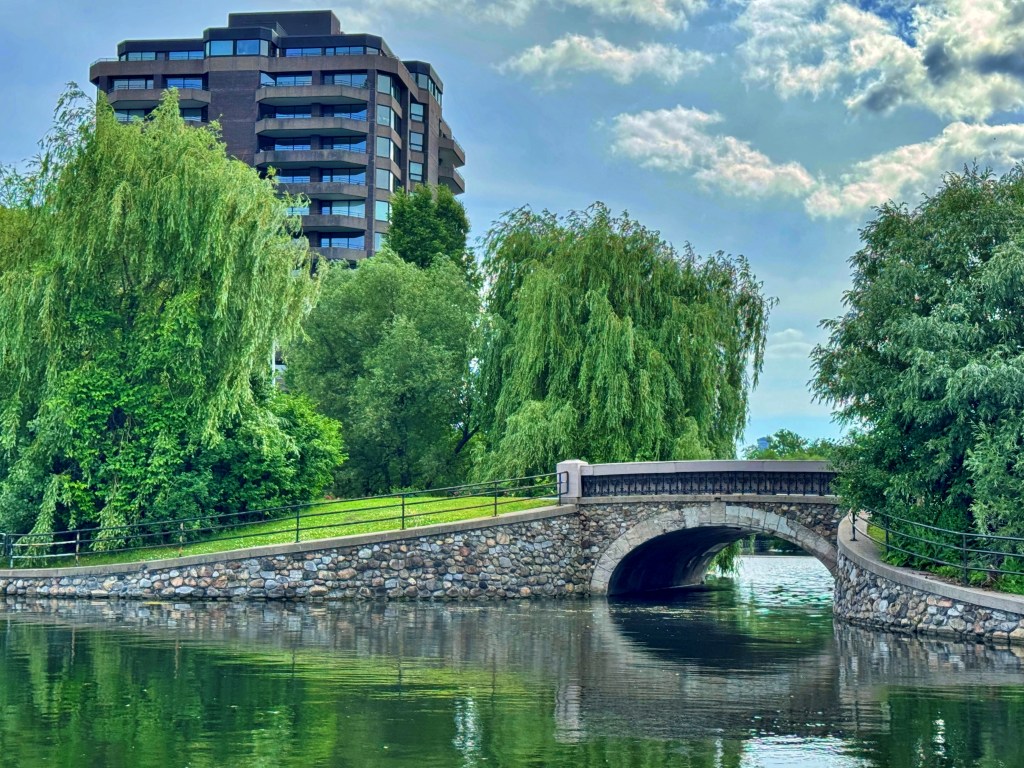
After the tour and a relaxed lunch I got back on the bus and completed my way back to Stop 1 and made my way to the Rideau Canal for a scenic boat cruise with Ottawa Boat Cruise, located about 500 metres via step free ramps from Ottawa Visitor Center.
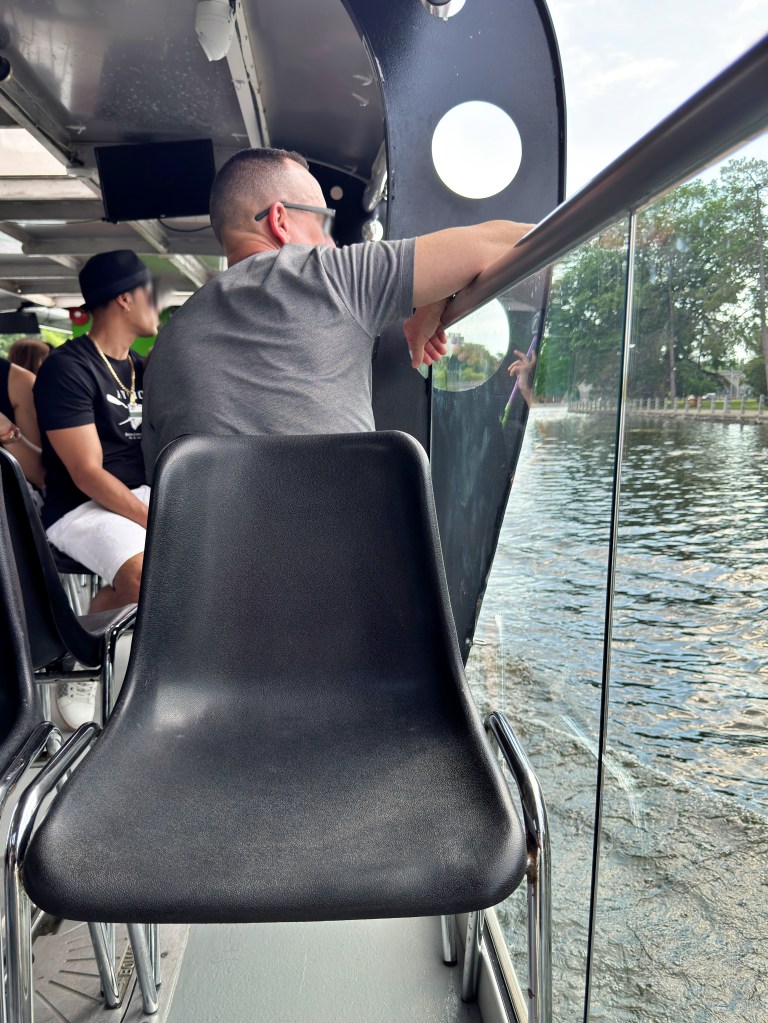
Boarding the boat is seamless, with a smooth, step-free ramp leading directly onto the main deck. The layout is spacious, with wide aisles and movable chairs. The electric boat includes an onboard accessible toilet and a small bar offering drinks and snacks throughout the 90-minute cruise. Glass railings along the deck ensure clear views from every angle, even while seated, so there’s no need to move around to enjoy the scenery.
It’s an unhurried ride, offering a welcome pause in the day where you can just listen to the guide and experience the city from the gentle rhythm of the water.
DAY 2: Parliament, Cathedrals and Canadian Masterpieces
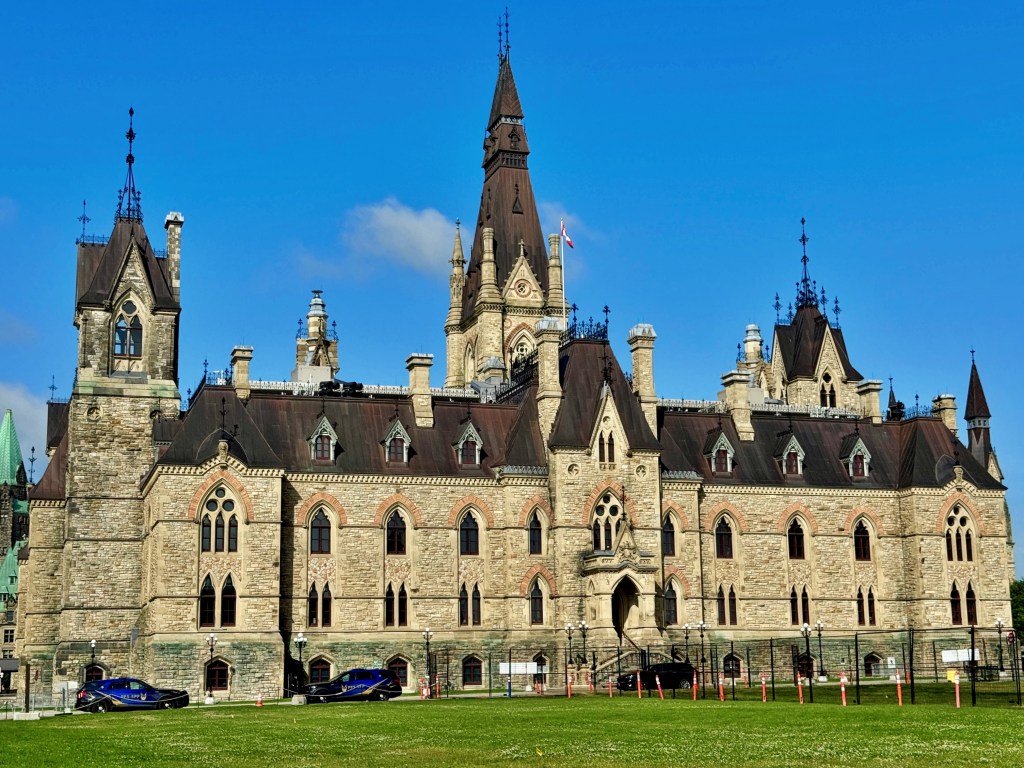
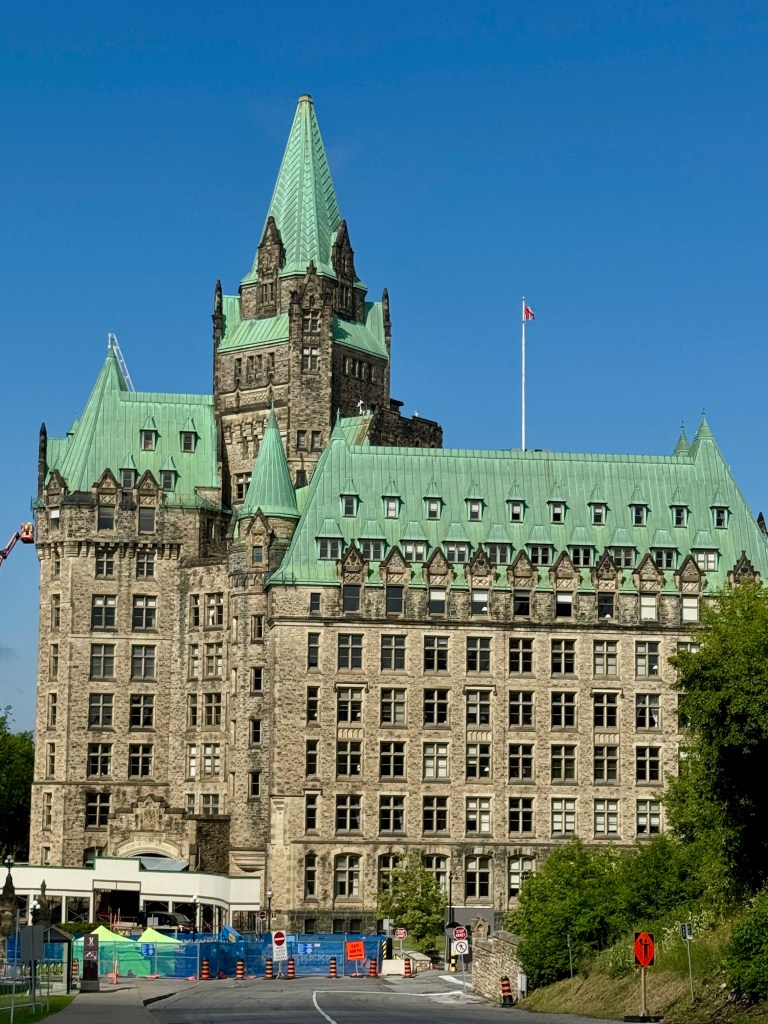
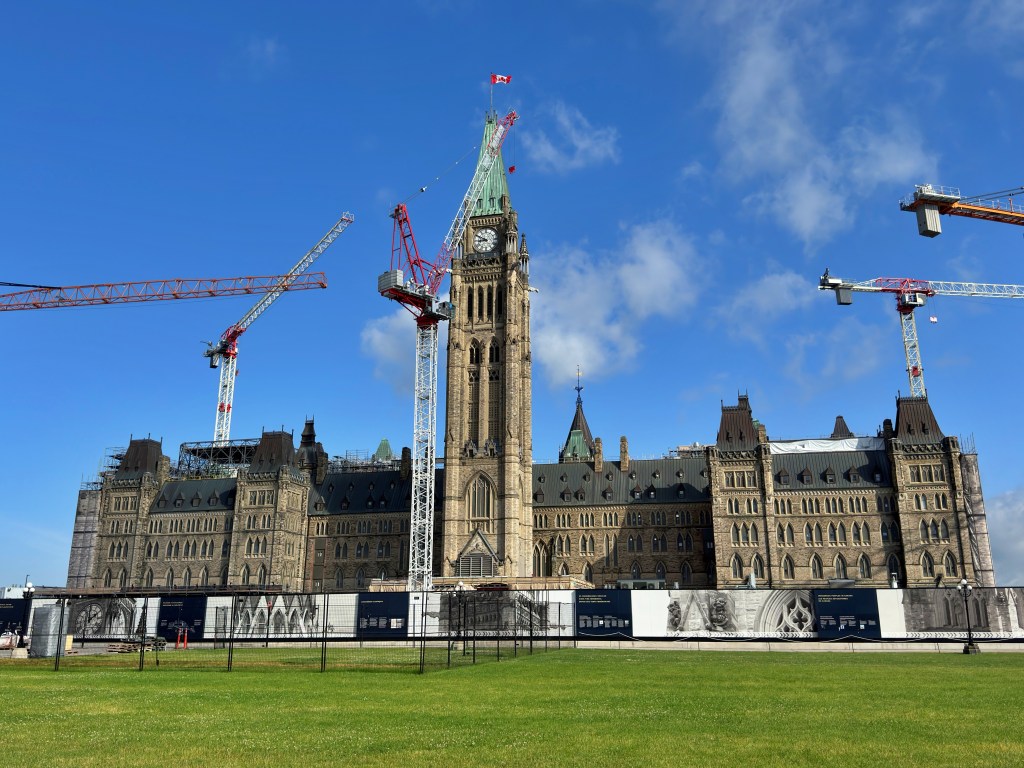
My second day began at Parliament Hill, the symbolic heart of Canadian democracy and one of Ottawa’s most iconic public spaces. Towering Gothic-style buildings rise above the Ottawa River, framed by wide lawns that offer sweeping views from multiple angles.
The site is just 350 metres from the same accessible parking garage used the day before, making it a convenient starting point once again. Parliament Hill mainly includes three buildings: Centre Block, West Block, and East Block. Although Centre Block is currently undergoing major renovations, its iconic façade and the Peace Tower remain visible and striking from across the grounds. Most outdoor areas are wheelchair accessible, with paved paths throughout the site, and a detailed onsite map highlights accessible routes with a dotted blue line, making it easier to plan your visit.
If you’re visiting in summer, try to catch the Changing of the Guard, a 30-minute ceremonial performance held most mornings. The air fills with the rhythmic thud of marching boots, the sharp beat of snare drums and pipes, and shouted commands during the inspection of uniforms and weapons.
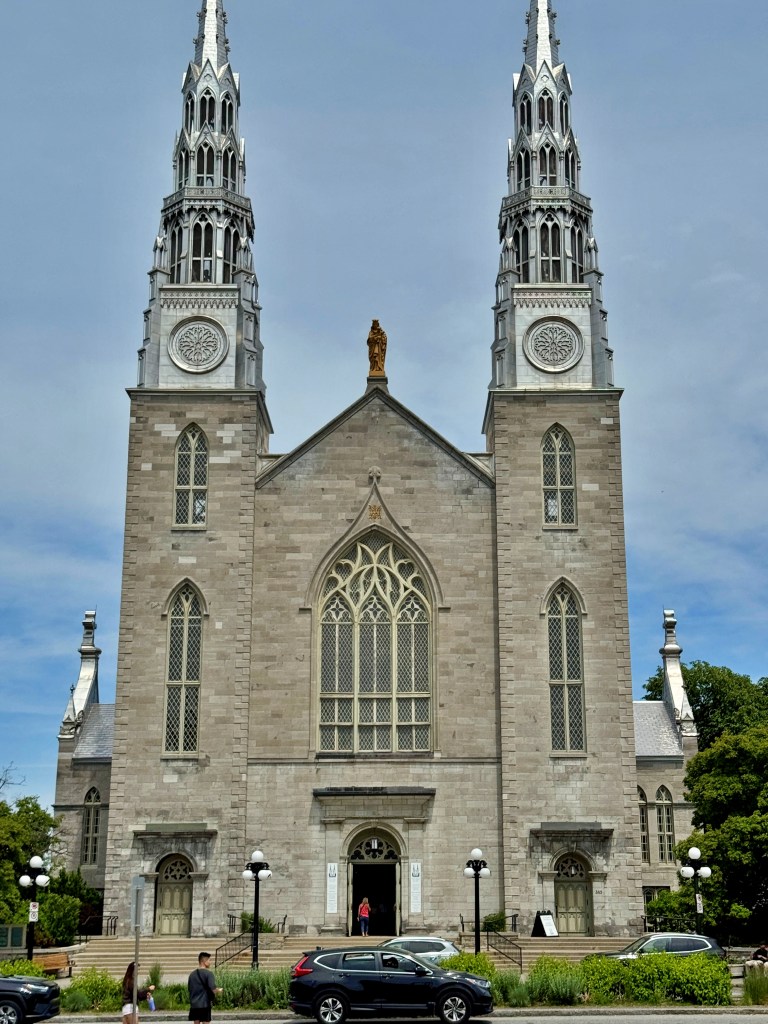
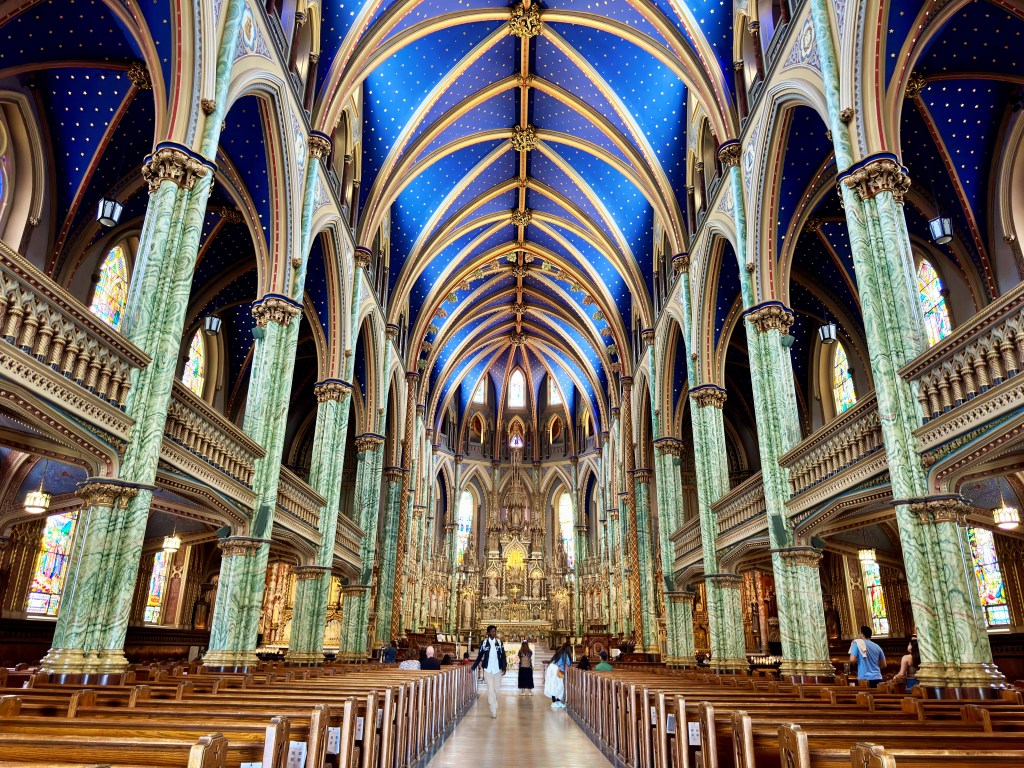
From Parliament Hill, it’s a short 900-metre route to the Notre-Dame Cathedral Basilica, one of Ottawa’s most elegant landmarks, recognisable by its twin spires. The interior is equally striking, with vaulted ceilings painted deep blue and dotted with golden stars, towering marble-style columns, and colourful stained-glass windows. The air inside is cool and still, carrying only the soft echo of footsteps between the pews.
The cathedral is fully accessible, with a wide step-free ramp located beside the main steps and double entrance doors that open wide. Inside, the main floor is flat and smooth, making it easy to navigate throughout.
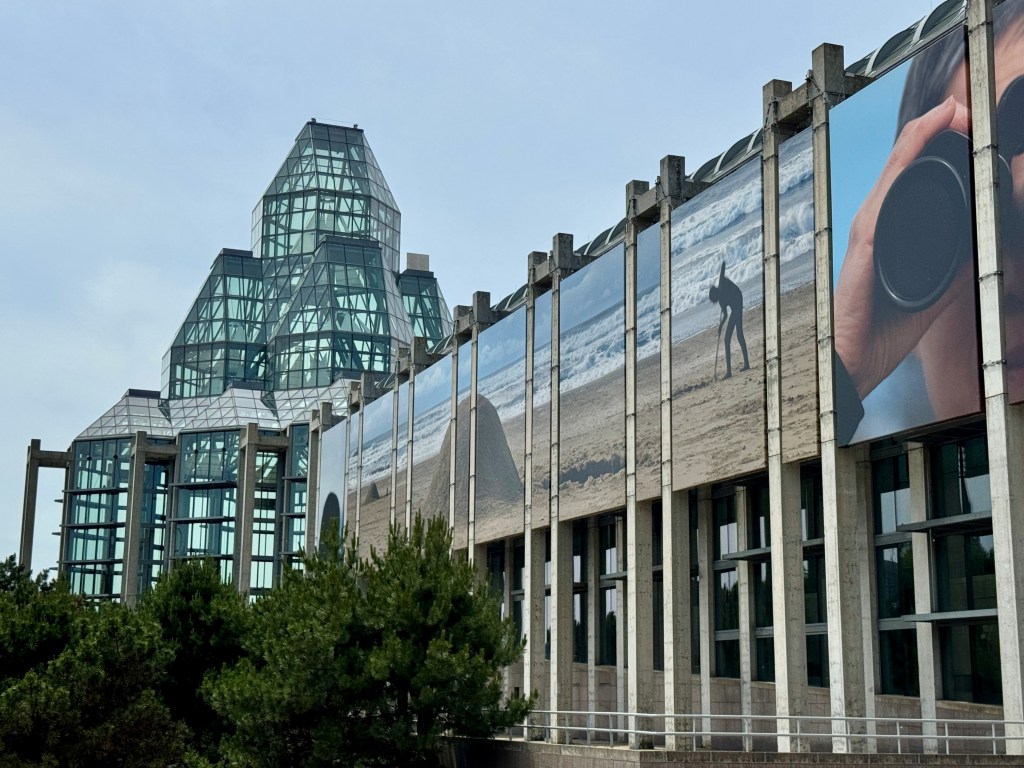
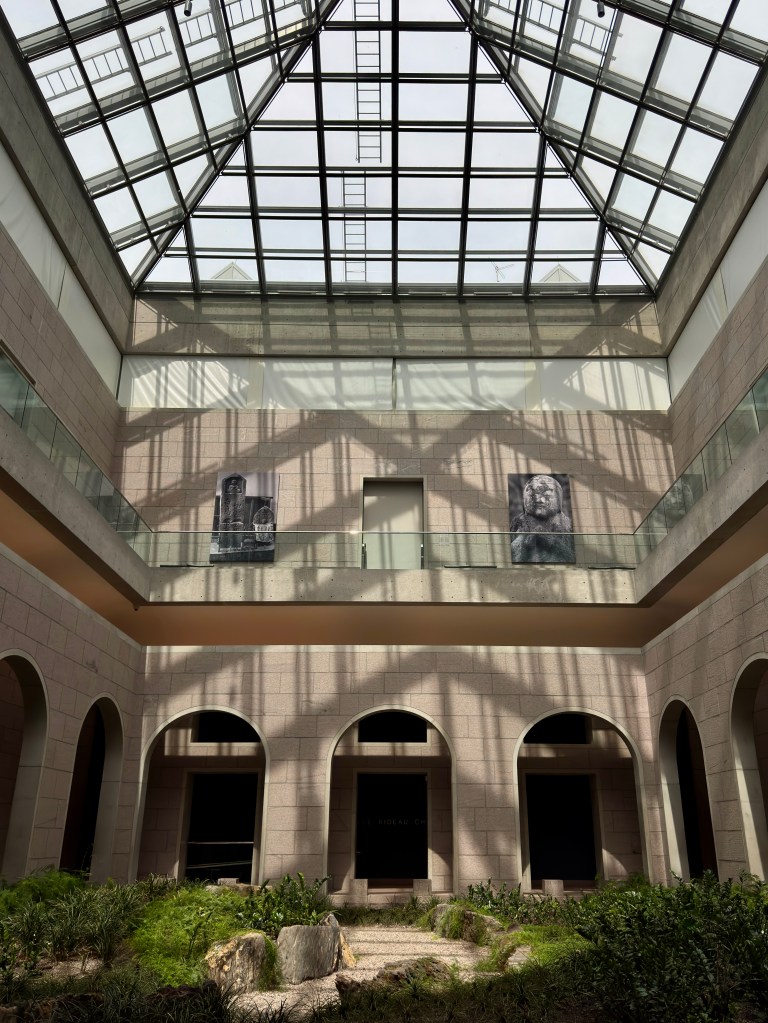
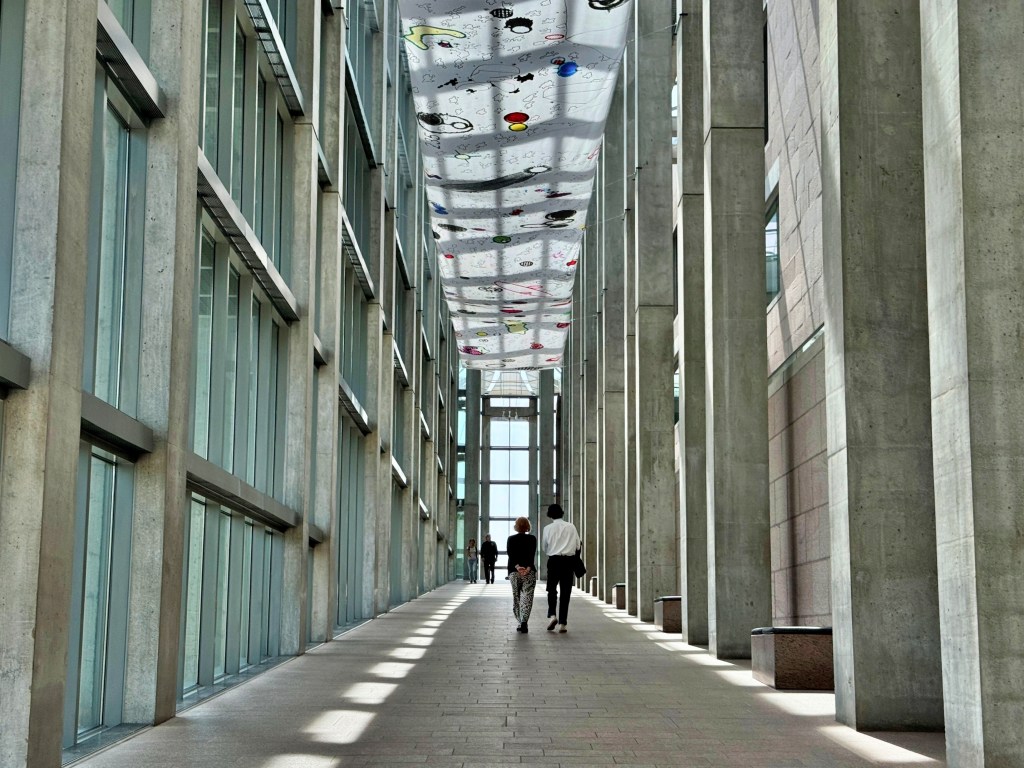
Directly across the street is the National Gallery of Canada, one of the country’s premier art institutions. With an impressive focus on Indigenous and Canadian artists, the gallery houses a compelling mix of historic and contemporary works.
The gallery is highly accessible throughout. Entry is via wide automatic doors and a step-free main entrance, with elevators connecting all exhibition levels. Pathways are wide and smooth, and seating is available throughout the galleries for those who wish to pause. Wheelchairs and walkers are available free of charge at the front desk, and accessible washrooms are clearly marked on each level. An underground parking with accessible bays is located directly beneath the building, with elevator access to the museum.
DAY 3: 1,000 Islands – A Day Beyond the City
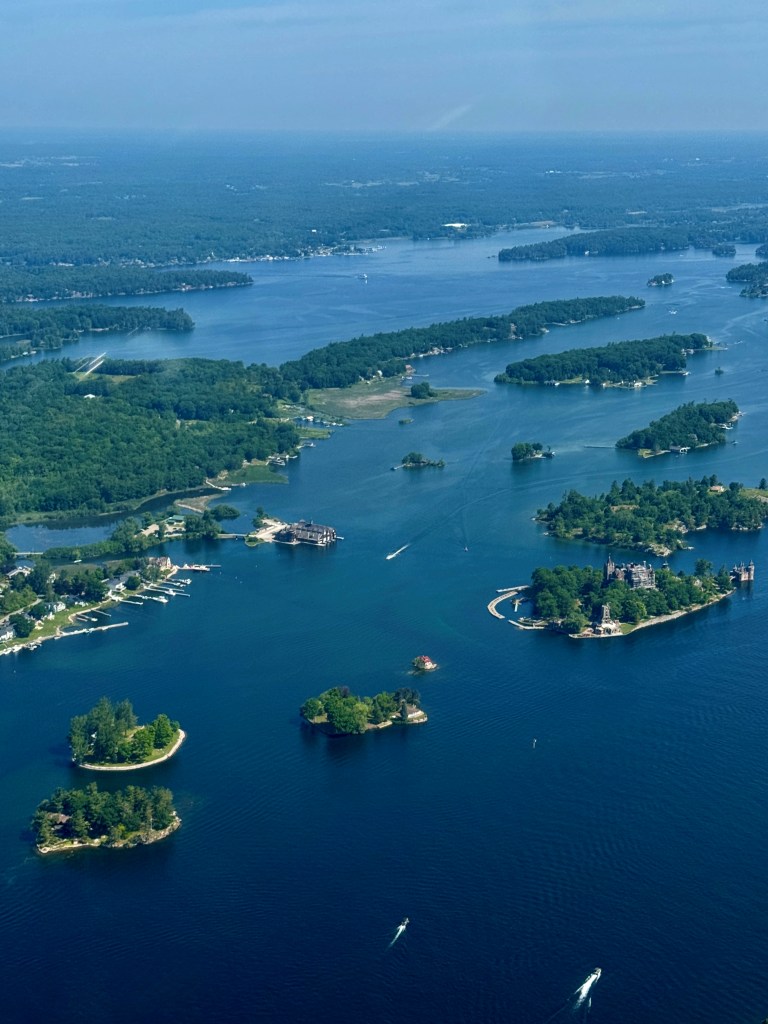
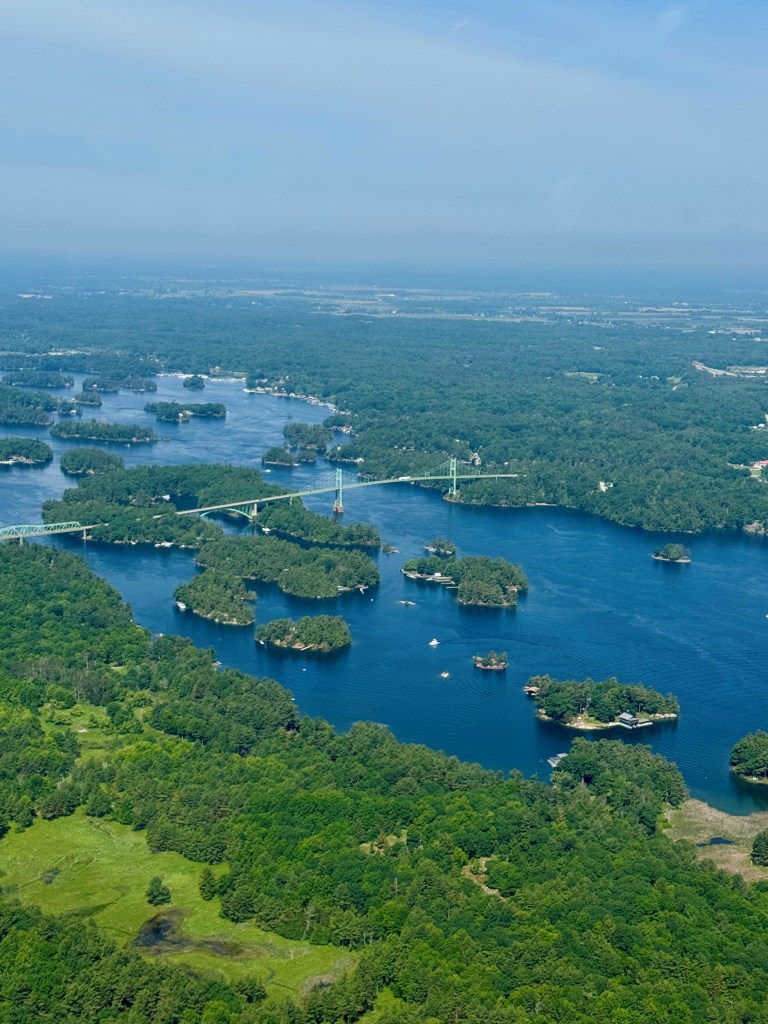
Just 90 minutes south of Ottawa lies an entirely different kind of landscape. The 1,000 Islands region, easily reached by car, feels like a natural extension of the city’s charm, offering another layer of history, geography, and beauty. Though the name suggests otherwise, there are more than 1,800 islands spread across the St. Lawrence River, shared between Canada and the United States.
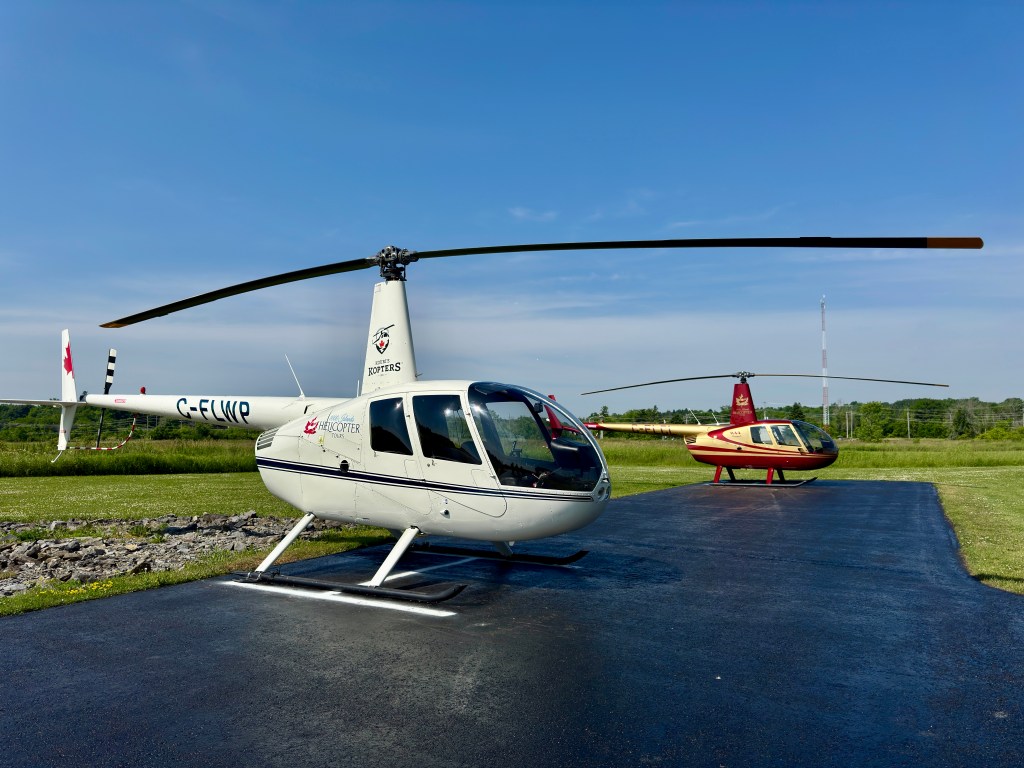
I began my visit with a 20-minute helicopter flight with Kouri’s Kopters, departing from Gananoque, a small riverside town that acts as a natural gateway to the area. From above the river, I was given a new perspective; dark green islands scattered like puzzle pieces, with sailboats weaving between them and sunlight glinting off the waves.
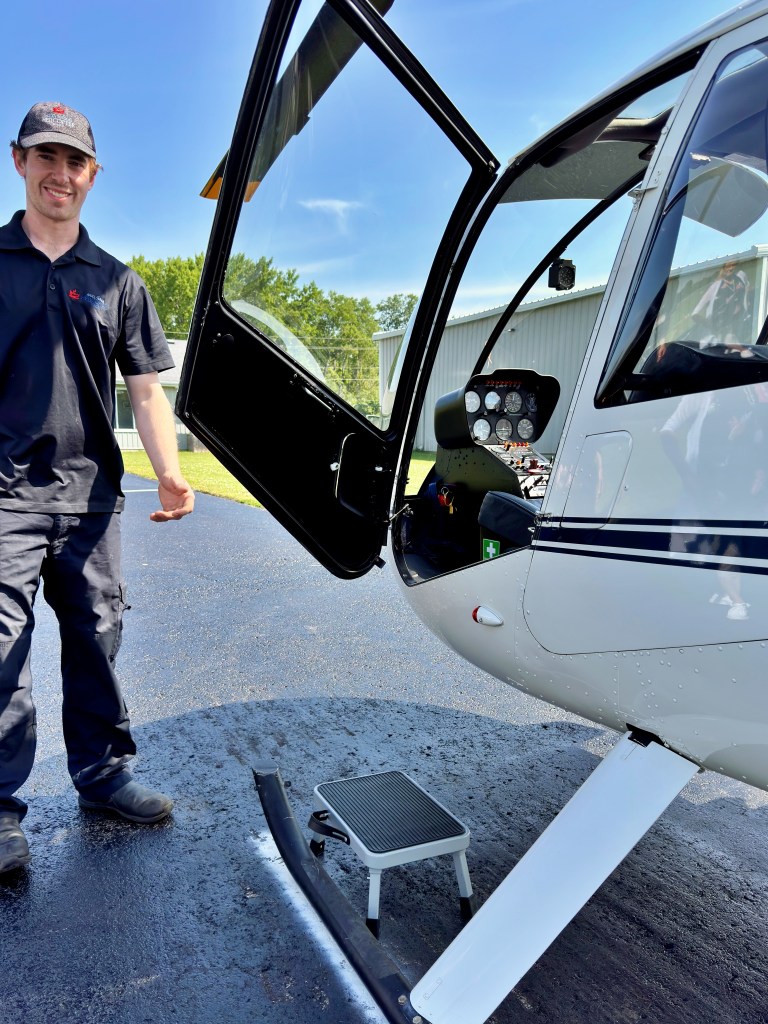
The helicopter terminal is fully accessible, with step-free entry, smooth indoor flooring, and a short, paved path leading directly to the helipad. Staff assist throughout the boarding process and can provide a step stool if needed. The cabin has supportive seating and plenty of space for easy entry and exit. Accessible washrooms are located inside the terminal, and parking is available right outside the building.
As the rotors began to spin, a soft vibration built beneath my seat and along the floor. The helicopter lifted smoothly, and within seconds we were gliding above the islands. Inside the cabin, the air was cool and quiet, with large windows offering uninterrupted views in every direction. Noise-cancelling headsets kept the sound comfortable and allowed for clear, relaxed commentary from the pilot.
Back on land, I continued 15 minutes east to Rockport, where I joined a 1-hour cruise with Rockport Cruises through the heart of the 1,000 Islands. The route zigzags across the international border, drifting between Canadian and American waters, with close-up views of estates and summer homes perched at the many tiny islands.
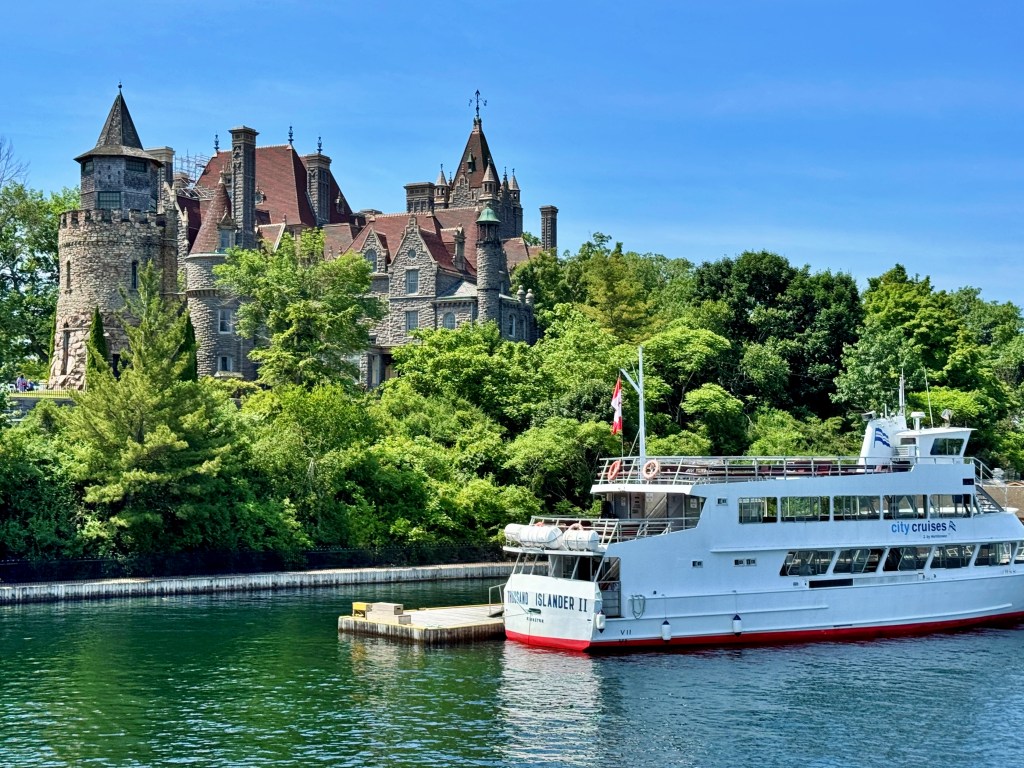
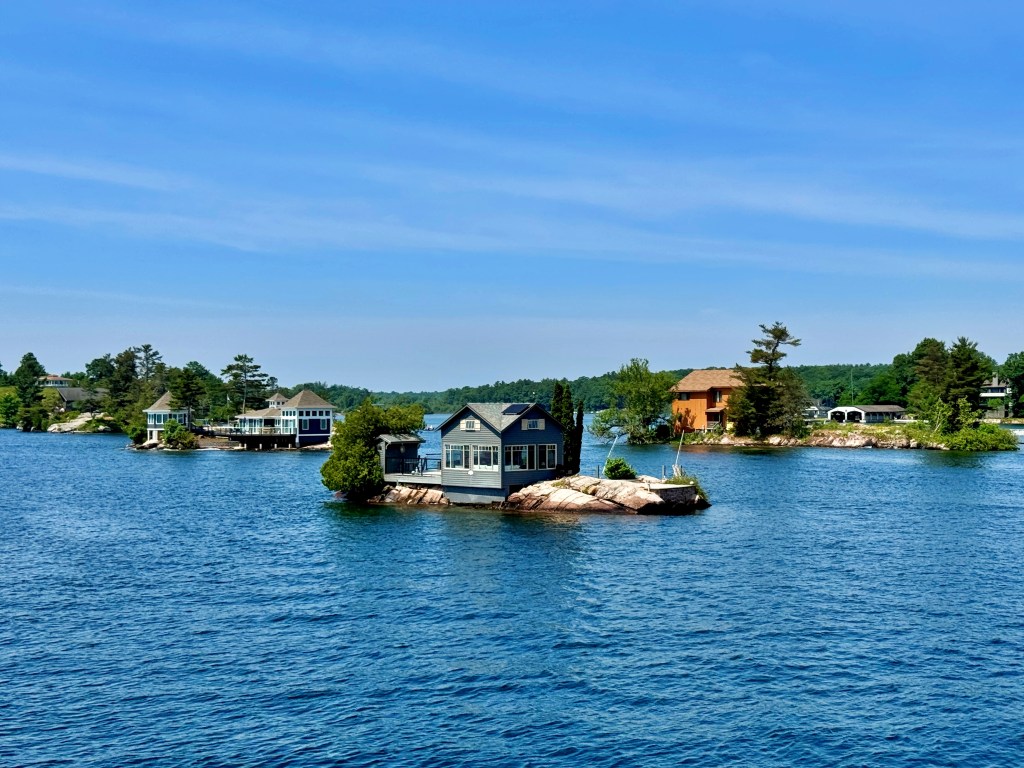
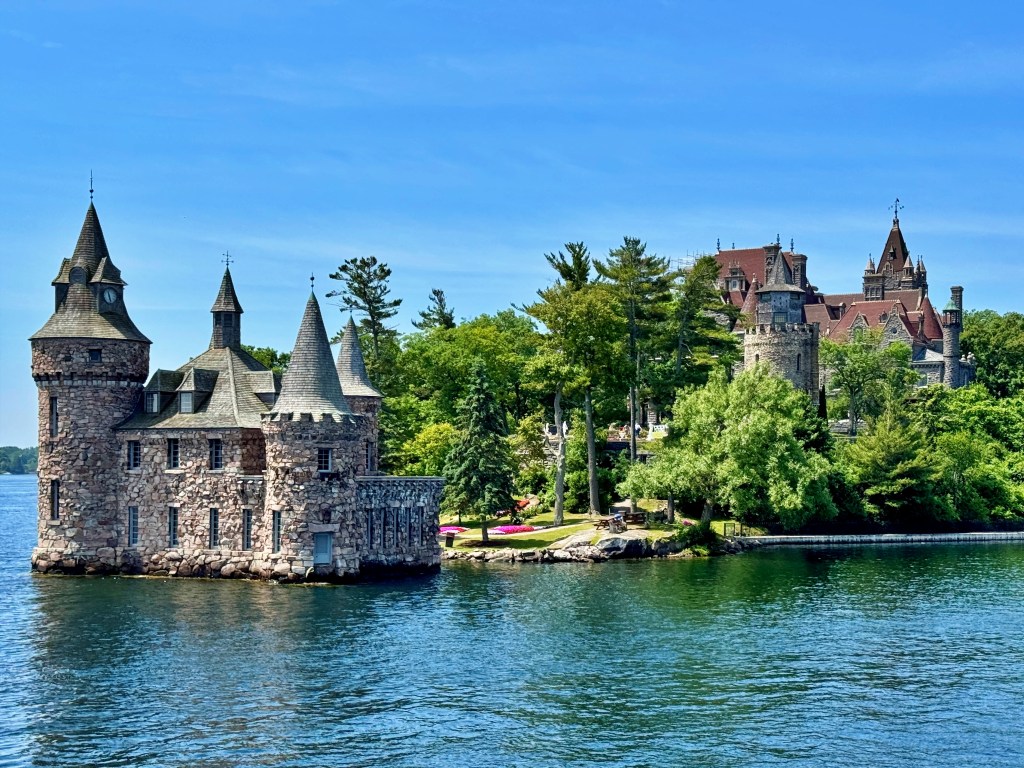
One of the most striking landmarks is Boldt Castle, located on Heart Island. Built in the early 1900s, it was meant as a romantic tribute from George Boldt to his wife. After her sudden death, construction was abruptly halted and the estate sat abandoned for more than 70 years. Today, the castle is under the care of a public benefit corporation in the United States, and all revenue from visits goes toward preserving the island and restoring the castle for future generations.
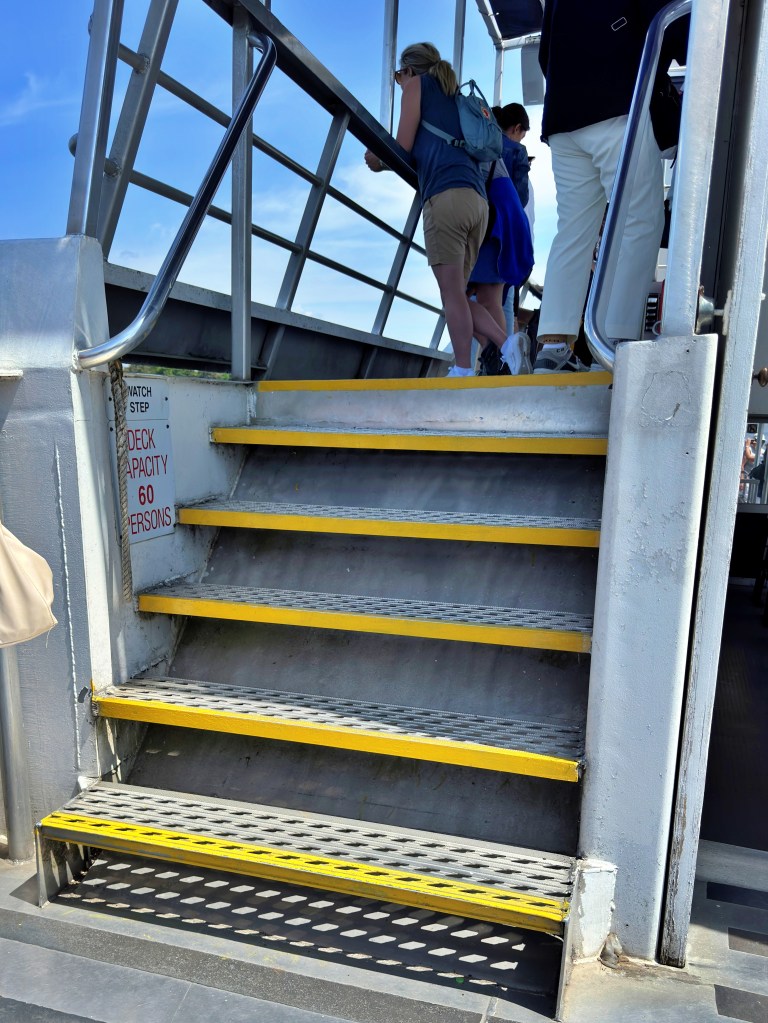
Boarding the cruise is smooth and straightforward, with a wide, gently sloped ramp connecting the dock to the main deck. Staff are available to assist with boarding, and the entry area at the back of the boat is shaded and has sturdy see-through railings, offering excellent views whether seated or standing.
However, access to other parts of the vessel involves stairs with handrails. The onboard toilets are located on the lower deck, so if you require an accessible washroom, it’s best to use the public facility near the waterfront restaurant before departure.
Final thoughts
Ottawa left a lasting impression not just for what I experienced, but for how easy and enjoyable it was to move through the city. At no point did I feel like I had to opt out or adjust my expectations. Every part of the trip felt welcoming and inclusive.
Whether you’re drawn by the art, the architecture, or the calm pull of the river, Ottawa makes it easy to explore at your own pace. The compact layout, accessible design, and relaxed atmosphere come together to create a city that invites you in, without barriers.
Useful link:
Contributor profile:
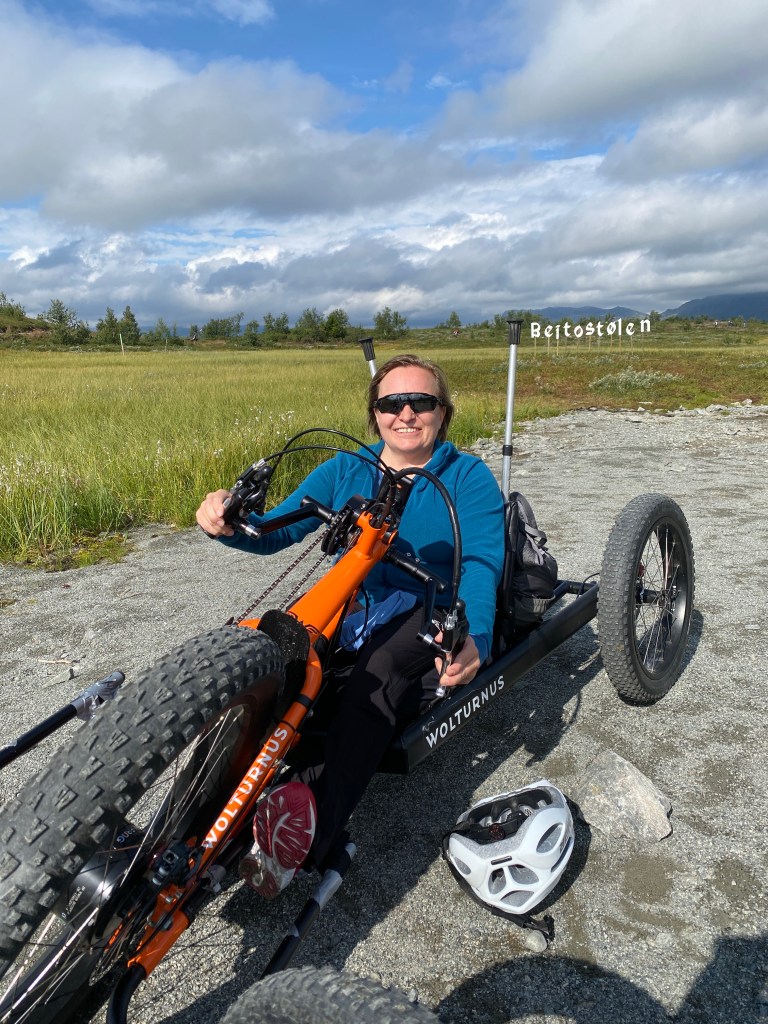
My name is Adele Heidenreich, and I am an accessibility consultant and writer from Oslo, Norway. Born with a muscular condition, I have personal experience using both a wheelchair and crutches.
With over 70 countries visited, I place great emphasis on thorough research to make travel as smooth, accessible, and enjoyable as possible.
I hope this guide offers useful insight and inspiration for activities in Ottawa.
~ Adele
 EA Heidenreich